
Snorkel Safety Tips: Beginner’s Guide to Reef and Underwater Fun
Embark on a journey into the underwater world with our complete guide to snorkeling! Whether you’re a beginner or looking to enhance your snorkeling experience, understanding snorkeling safety tips is crucial for a safe and enjoyable adventure. This guide offers safety guidelines and essential information to help you explore the beauty of coral reefs and marine life while staying safe in the water.
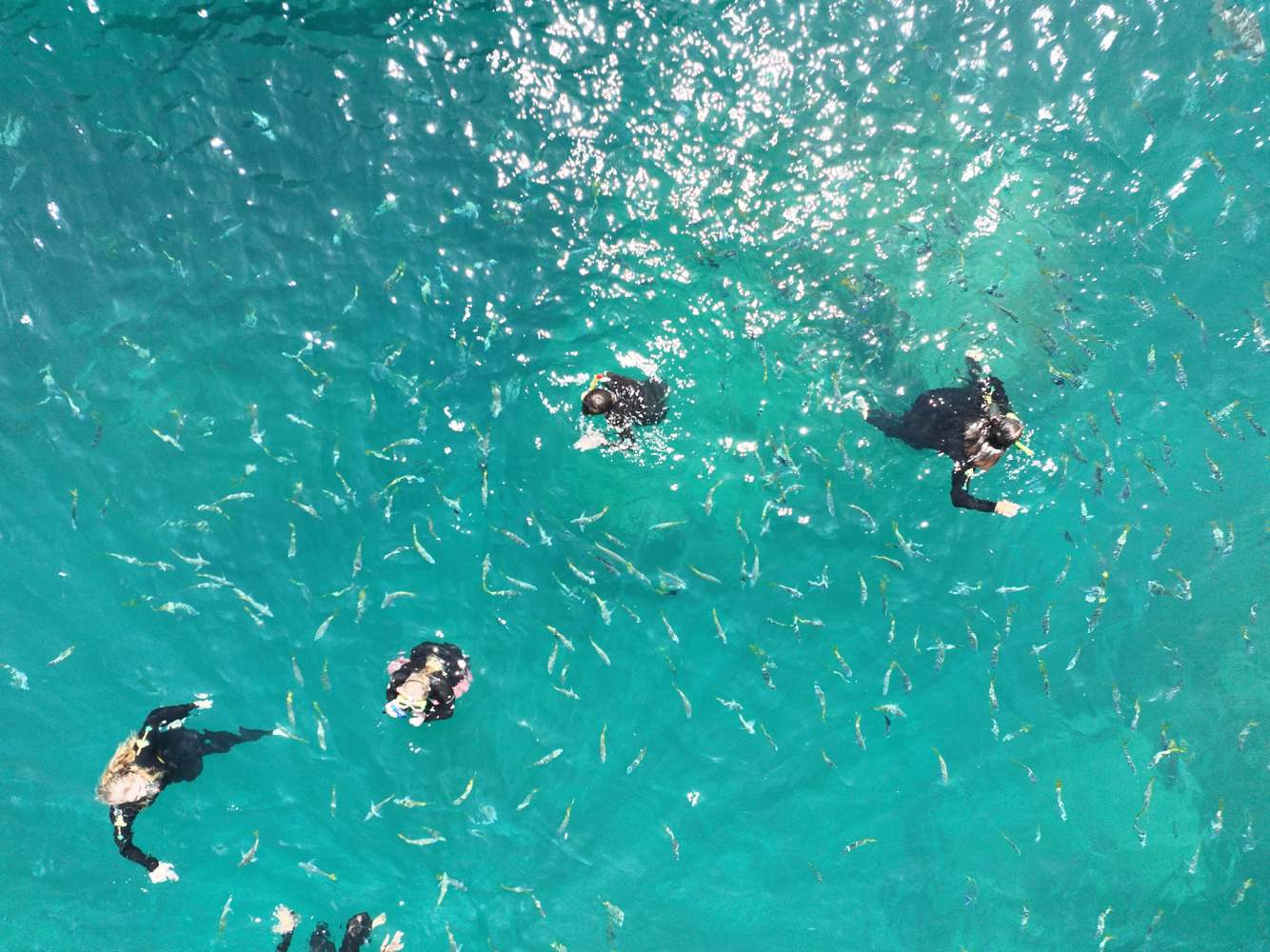
Introduction to Snorkeling
What is Snorkeling?
Snorkeling is a popular water activity that allows swimmers to observe marine life in their natural habitat without the need for scuba or extensive dive training. It involves swimming at the surface or in shallow water using snorkeling gear, which typically includes a snorkel, mask, and fins. The snorkel tube enables the snorkeler to breathe effortlessly while keeping their face submerged, opening up a window to the mesmerizing underwater world.
Benefits of Snorkeling for Beginners
For beginners, snorkeling offers an accessible and rewarding way to engage with nature. Unlike freediving, snorkeling doesn’t require extensive breath-hold training, making it an ideal entry point to underwater exploration. With basic swimming abilities, anyone can enjoy the breathtaking views of coral gardens and diverse marine life. Snorkeling is also a great way to stay active, conserve energy, and appreciate the beauty of the ocean from a unique perspective.
Overview of the Great Barrier Reef
The Great Barrier Reef is one of the world’s most spectacular snorkeling spots. Renowned for its clear waters and vibrant coral, this natural wonder offers an unparalleled snorkeling experience. As a beginner, exploring the reef means encountering a kaleidoscope of marine life, from colorful fish to intricate coral formations. However, it’s essential to understand the environmental conditions and adhere to snorkeling safety tips to protect both yourself and the delicate reef ecosystem.
Essential Snorkeling Safety Tips
Understanding Water Conditions
Before you go snorkeling, it’s crucial to assess the water conditions. Several factors should be considered to ensure a safe experience, including:
- Checking the weather forecast
- Reviewing local tide charts to understand potential hazards like strong currents or choppy waters
Beginners should avoid snorkeling in areas with strong currents or during periods of high tide, as these conditions can quickly turn a safe and enjoyable snorkeling experience into a dangerous one. Always prioritize staying safe by being aware of the environmental conditions.
Choosing the Right Snorkel Mask
Selecting the right snorkel mask is essential for a comfortable and clear underwater view. A well-fitted mask creates a watertight seal around your face, preventing water from entering your snorkel and allowing you to breathe easily. Beginners should look for masks with a soft silicone skirt and adjustable straps to ensure a snug fit. Clear waters are best enjoyed with a quality snorkel mask that provides a wide field of vision, enhancing your snorkeling experience and making marine life more visible.
Sun Protection Guidelines
Here’s how to stay safe under the sun while snorkeling. Remember that the water’s surface intensifies the sun’s rays, raising the risk of sunburn. To combat this, you should:
- Apply broad-spectrum, water-resistant sunscreen to all exposed skin at least 30 minutes before entering the water.
- Wear a rash guard or snorkeling suit for additional protection.
Reapply sunscreen frequently, especially after swimming, to ensure continued protection from harmful UV rays.
Reef Snorkeling Guidelines
Staying Within Safe Boundaries
When reef snorkeling, it’s crucial to stay within safe boundaries. Know your swimming abilities and never snorkel alone. Always snorkel with a buddy or in a group, and ensure someone is aware of your planned route and expected return time to the boat or shore. Staying safe also means being mindful of your location relative to the boat. Establish clear landmarks or use a flotation device to help you stay oriented and avoid drifting too far from your starting point.
Respecting Marine Life
Respecting marine life is a fundamental aspect of responsible reef snorkeling. Avoid touching coral or disturbing any marine animals. Coral is a fragile living organism, and even a gentle touch can damage it. Observe marine life from a distance, and never chase or harass animals. Be aware of your fins to prevent stirring up sediment or accidentally kicking and damaging the reef. By respecting marine life, you help conserve energy in the reef system and preserve its beauty for future generations.
Understanding Currents
Understanding currents is paramount for snorkeling safety, especially when exploring reefs. Strong currents can quickly carry you away from your intended location, making it difficult to return to the boat. Before entering the water, assess the current’s strength and direction. If you find yourself caught in a current, swim parallel to the shore or towards a designated safety zone to escape its pull. Stay calm, conserve energy, and signal for help if needed. Being aware of currents can prevent potentially dangerous situations and ensure a safe and enjoyable snorkeling experience.
Additional Safety Measures
Never Snorkel Alone
One of the most important snorkeling safety tips is to never snorkel alone. Always snorkel with a buddy, as having someone nearby can be life-saving in case of an emergency. Even experienced snorkelers can encounter unexpected problems such as equipment malfunction, strong currents, or sudden changes in water conditions. Snorkeling with a buddy ensures that help is always available, and it also enhances the overall snorkeling experience by sharing the wonders of the underwater world together.
What to Do in Emergencies
Knowing what to do in emergencies is crucial for staying safe while snorkeling. If you encounter a strong current, swim parallel to the shore to escape its pull. Signal for help if you experience difficulty breathing or feel disoriented. Be aware of potential marine hazards, such as jellyfish stings or sea urchins, and know how to treat them. Familiarize yourself with basic first aid and CPR techniques, and always carry a small safety kit with essentials like a whistle and a waterproof communication device.
Preparing for Different Conditions
Preparing for different conditions is an essential part of planning any snorkeling adventure. Before you go snorkeling, check the weather forecast and tide charts to understand the expected water conditions. Be aware of potential hazards like strong currents, choppy waters, or limited visibility. Choose your snorkeling gear accordingly, opting for a dry snorkel in rough conditions to prevent water from entering your snorkel tube. Consider wearing a life vest or using flotation devices if you are not a strong swimmer or are snorkeling in challenging environments.
Conclusion
Recap of Safety Guidelines
Here’s a summary of important considerations for a safe and enjoyable snorkeling experience. It’s important to:
- Assess water conditions and choose the right snorkeling gear, including a well-fitted snorkel mask and fins.
- Protect yourself from the sun with sunscreen and appropriate clothing.
- Never snorkel alone, respect marine life, and be aware of currents.
By following these safety guidelines, you can minimize risks and maximize your enjoyment of the underwater world, whether exploring the Great Barrier Reef or any other snorkeling spots.
Encouragement for Safe and Enjoyable Snorkeling
With the right knowledge and precautions, snorkeling can be a safe and enjoyable water activity for beginners and experienced snorkelers alike. Embrace the opportunity to explore the beauty of coral reefs and marine life, but always prioritize safety above all else. Remember to stay within your swimming abilities, respect the environment, and follow the safety guidelines outlined in this complete guide. By doing so, you can create unforgettable memories and appreciate the wonders of the underwater world responsibly.
Resources for Further Learning
To further enhance your snorkeling knowledge and skills, consider exploring additional resources such as snorkeling courses, online tutorials, and guidebooks. Many local dive shops and snorkeling centers offer beginner-friendly programs that cover essential techniques, safety procedures, and marine life identification. Consult reputable websites and forums for up-to-date information on snorkeling safety tips, gear recommendations, and best practices for reef snorkeling. By continuing to learn and stay informed, you can become a more confident and responsible snorkeler.