
Underwater Photography: Capture Marine Life with this Tip
Underwater photography during a Redcat Adventures snorkeling tour in the Whitsundays presents a unique and rewarding challenge for photographers seeking to capture the vibrant beauty of marine life. The underwater environment demands specialized equipment and techniques to overcome the challenges of lighting, visibility, and movement. This tip will guide you through the essential aspects of underwater photography, empowering you to photograph marine animals and wildlife with stunning clarity and artistry. From choosing the right camera and lens to mastering camera settings, you’ll learn how to document the underwater world and create captivating images of marine creatures.
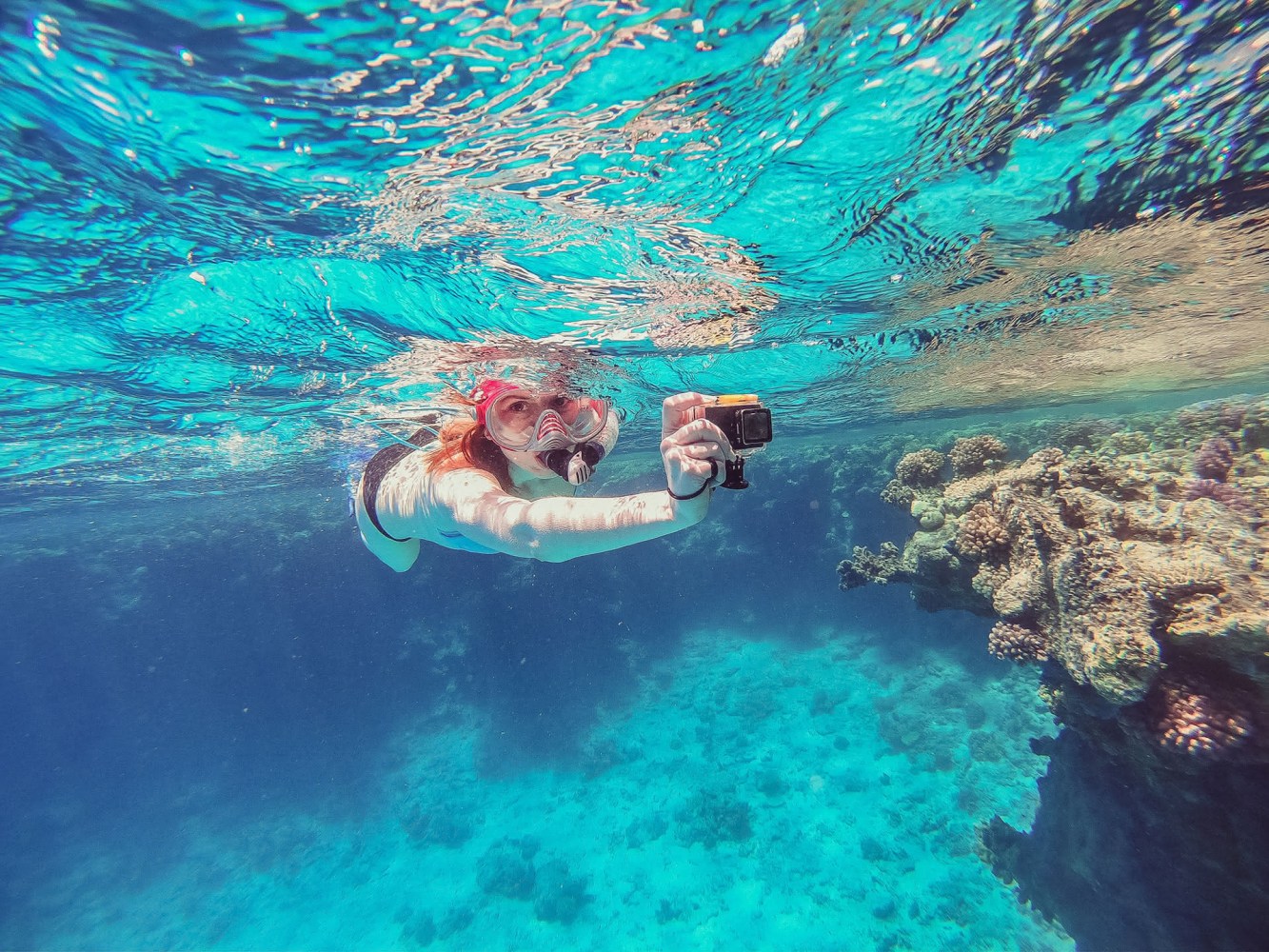
Choosing the Right Camera and Lens for Underwater Photography
Selecting the right camera and lens is crucial for successful underwater photography. When choosing a camera, consider its underwater housing options, which are essential for protecting your equipment during dives or while you snorkel. The lens you choose will significantly impact your ability to capture marine life. Keep in mind that the lens needs to let in the appropriate amount of lighting to make the images sharp.
| Camera Type | Considerations |
| Full-frame | Offers superior image quality. |
| APS-C or Crop Sensor | More budget-friendly, especially for beginners. |
A wide-angle lens is ideal for capturing expansive reefscapes and large marine animals like whales or mantas, while a zoom lens can be useful for photographing smaller creatures or subjects that are further away.
Recommended Camera Settings for Marine Photography
Mastering camera settings is essential for capturing sharp, well-exposed underwater photographs. Key settings to consider include shutter speed, aperture, ISO, and white balance.
| Setting | Description |
| Shutter Speed | Use a fast shutter speed (e.g., at least 1/250th of a second) to freeze motion and prevent blur, particularly for fast-moving animals. |
| Aperture | Controls the depth of field. A wider aperture (smaller f-number) creates a shallow depth of field. |
| ISO | ISO 400 is often a good starting point, but increase it in low-light conditions. |
Pay attention to white balance to correct for the blue cast of underwater environments, ensuring accurate color rendition in your photos.
Best Wide-Angle Lenses for Capturing Marine Life
For underwater photography, a wide-angle lens is a must-have for capturing the breadth of marine life and underwater landscapes. These lenses allow you to get in close to your subject while still capturing a wide field of view, which is crucial in the often murky underwater environment. When shooting marine life, you want to be as close as possible to limit the amount of water the light has to travel through. The closer you are, the clearer and sharper your images will be. Consider a lens with a focal length of 16-35mm or similar for full-frame cameras, or 10-22mm for crop sensor cameras. These lenses are versatile and ideal for capturing both wide reefscapes and close-up portraits of marine animals. A high-quality wide-angle lens will allow you to capture expansive underwater scenes and stunning portraits of marine life.
Auto Mode vs. Manual Mode in Underwater Photography
While auto mode can be convenient, mastering manual mode unlocks greater creative control in underwater photography. Auto mode often struggles with the unique lighting conditions and color casts of the underwater world, leading to underexposed or color-distorted images. Manual mode allows you to precisely control aperture, shutter speeds, and ISO to achieve the desired exposure and depth of field. By adjusting these settings, you can compensate for the reduced light and capture sharp, well-exposed photographs of marine animals. Experiment with different settings to find the optimal balance for each situation, taking into account factors such as lighting, water clarity, and the movement of your subject. With practice, you’ll learn to anticipate changes in the underwater environment and adjust your camera settings accordingly to capture stunning images.
Essential Tips for Capturing Marine Wildlife
Understanding Marine Animals and Their Behavior
To excel in underwater photography, understanding marine animals and their behaviour is paramount. Before you dive or snorkel, research the species you hope to photograph. Knowing their habits, feeding patterns, and typical habitats will help you anticipate their movements and position yourself for the best photo opportunities. Observe how light interacts with their skin or scales, and consider how different lighting conditions may affect your images. Some creatures, like the turtle, are slow and deliberate, while others, such as the shark or dolphin, are quick and unpredictable. Approach them calmly and respectfully, avoiding any actions that could startle or stress them. The more you understand the animal’s behaviour, the better you will be able to capture them.
Lighting Techniques for Underwater Photography
Mastering lighting is critical in underwater photography to counteract the absorption of colors as depth increases. Natural light diminishes rapidly, leading to blue or green color casts. To restore natural colors and enhance visibility, consider using external strobes or flashes. Position your lights to minimize backscatter, which occurs when light reflects off particles in the water, creating unwanted spots in your images. Experiment with different strobe angles and intensities to find the optimal lighting for each situation. In shallow water, natural light can be sufficient, but keep in mind that the angle of the sun affects the underwater environment, so adjust your settings accordingly. By understanding how light behaves underwater, you can dramatically improve the quality of your photographs and capture marine life.
Composing Stunning Underwater Photographs
Composition is key to creating captivating underwater photographs. Apply basic principles like the rule of thirds, leading lines, and symmetry to draw the viewer’s eye and create visual interest. When shooting marine animals, consider their size, shape, and movement in relation to the surrounding environment. Use a wide-angle lens to capture expansive reef scapes or get in close with a macro lens to reveal intricate details of small creatures. Pay attention to the background, avoiding distracting elements that could detract from your subject. Experiment with different perspectives, shooting from above, below, or at eye level to create unique and dynamic images. By carefully composing your shots, you can transform simple underwater scenes into visually compelling works of art to capture marine life and photograph marine wildlife with artistry.
Preparing for Your Underwater Dive
Choosing the Right Dive Location for Photography
Choosing the right dive location is paramount for successful underwater photography. Consider factors like water clarity, the abundance of marine life, and the presence of interesting reef structures. Destinations known for their clear waters, such as those in the Caribbean or the Maldives, offer optimal visibility for capturing sharp images. Research the types of marine animals you hope to photograph and select locations where they are commonly found. Some spots are renowned for specific species like sharks, whales, or turtles. Also, keep in mind the time of year, as seasonal migrations and breeding seasons can significantly impact the concentration of marine life. Ultimately, the best dive location will align with your photographic goals and skill level as a photographer.
Safety Tips for Underwater Photographers
Prioritizing safety is essential when engaging in underwater photography. Always dive or snorkel with a buddy, and ensure you are properly trained and certified for scuba diving if necessary. Before entering the water, thoroughly inspect your underwater camera housing and equipment for any leaks or malfunctions. Be aware of your depth and bottom time to avoid decompression sickness. Respect marine life by maintaining a safe distance and avoiding any actions that could disturb or harm marine animals. Pay attention to your surroundings, including currents, visibility, and potential hazards like sharp coral or stinging creatures. Carry a safety sausage or other signaling device to alert boats to your presence. By adhering to these safety tips, you can enjoy capturing the beauty of the underwater world while minimizing risks.
Equipment Checklist for Underwater Photography
Before embarking on your underwater photography adventure, ensure you have all the necessary equipment. In particular, your kit should include:
- A reliable underwater camera housing compatible with your camera body and lens.
- A wide-angle lens for expansive scenes and a macro lens for close-up details.
- External strobes or flashes to enhance lighting and restore natural colors at depth.
Don’t forget extra batteries and memory cards to capture all those photo opportunities. Consider using a red filter or performing white balance adjustments to correct for color casts. Also, bring a sturdy monopod to stabilize your shots. Ensure your dive gear, including your mask, fins, and buoyancy control device, are in good working condition. A well-prepared photographer is more likely to photograph marine wildlife successfully.