
What to Pack for a Boat Tour: An Essential Packing List for Your Next Boat Trip
A day on the water can feel wonderfully simple: step aboard, breathe in the sea air and enjoy the view. The preparation, however, deserves more thought. Knowing what to pack for a boat tour helps you stay comfortable, protect your belongings and avoid spending half the day wishing you had brought one small but important item.
The right gear depends on the length of the experience, the weather, the activities and the type of vessel. A short sightseeing cruise has different needs than a sailing holiday, while a fast Whitsundays adventure requires a lighter approach than a week on canal boats. This guide gives you a practical list of what to bring without turning your luggage into a floating wardrobe.
Start by Checking What Your Boat Trip Includes
Before opening your suitcase, read the operator’s inclusions and what to bring information. Some tours provide meals, drinking water, towels, snorkelling equipment, protective suits and park fees. Others expect guests to supply most personal items. Checking first prevents unnecessary purchases and saves valuable space.
For example, Red Cat Adventures’ Thundercat Whitsundays All Inclusive Day Tour includes opportunities to visit Whitehaven Beach, see Hill Inlet and snorkel on fringing sections of the Great Barrier Reef. Its Tongarra Day Sailing Tour includes lunch, snacks and snorkelling equipment, with a relaxed sail back towards Airlie Beach. Those inclusions change what belongs in your bag.
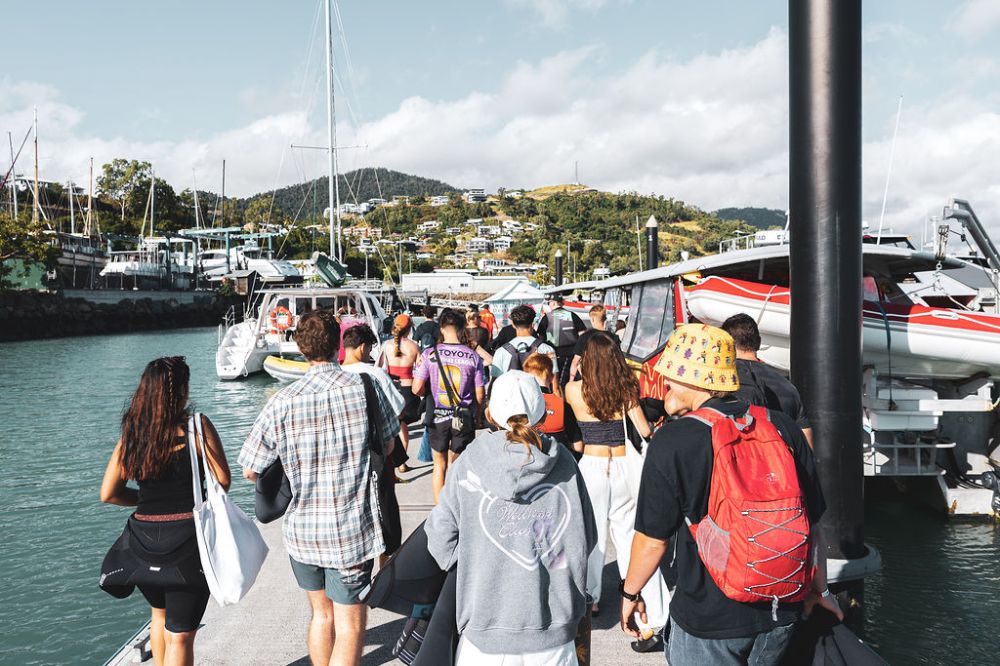
Also confirm the departure point, check in time and return time. Arriving at the marina with the perfect bag is not much help if you arrive after boarding closes. Save the booking details, operator contact number and emergency contacts on your phone, then keep a screenshot in case reception is unreliable.
Essential Boat Tour Packing List
A useful packing list starts with the items that affect safety, comfort and access to the activities you booked. Keep these near the top of your bag rather than buried under spare clothes.
Sun Protection for Long Hours on the Boat
Sun exposure can feel stronger on open water because there may be limited shade and light reflects off the sea. Pack reef-safe sunscreen and apply it before boarding, then follow the product directions for reapplication. Add SPF lip balm, a wide brimmed hat and a lightweight cover-up.
A hat with a chin strap is more practical than loose baseball caps when the wind rises. Polarized sunglasses can reduce glare and make bright conditions more comfortable. Use a sunglass strap or secure case so one sudden gust does not donate your favourite pair to the ocean.
A breathable long-sleeve shirt is another smart option. A loose linen button-down can provide coverage while remaining comfortable in warm conditions. For stronger protection during swimming or extended outdoor activity, consider a long-sleeve rash shirt designed for sun protection.
Swimwear, Snorkel Gear and Towels
Wear or pack a comfortable swimsuit that stays secure during swimming, climbing ladders and moving around the boat. Bringing a second swimsuit can help on a multi-day sailing experience because one can dry while the other is worn. A light sarong, shirt or cover-up makes it easier to sit comfortably between water activities.
Check whether the operator supplies a mask and snorkel. Red Cat Adventures includes snorkelling equipment on selected tours, so guests do not need to carry a full set unless they prefer their own fitted mask. Prescription masks may not be available, so travellers who require one should organise it before departure.
Microfiber towels are useful because they absorb water, take up less space and dry quickly. A full sized beach towel can be comfortable, but it may become bulky once wet. For a compact beach trip or day tour, one lightweight towel per person is usually easier to manage.
Clothing Choices That Handle Wind, Spray and Evening Changes
Good clothing choices should cope with heat, wind and occasional spray. Pack light layers rather than one heavy outfit. Quick-dry shorts, breathable shirts and activewear are easy to pack and tend to dry quickly after swimming or rain.
Even in tropical weather, the return journey can feel cooler once the sun drops or the wind increases. Bring along a light jumper, wind resistant layer or waterproof jacket. During winter in the Whitsundays, a warmer layer can make the evening ride much more comfortable.
For a sunset sailing trip, one fresh evening outfit may be enough. Choose smart clothing that remains practical, such as relaxed trousers, a simple dress or a clean shirt. There is little reason to pack anything extremely dressy unless the itinerary includes an upscale restaurant or formal event ashore.
Footwear for Decks, Beaches and Island Walks
Ask the operator about its footwear rules. Some vessels require shoes to be removed, while others recommend secure, non marking soles. Water shoes can help on rocky beaches, wet steps or certain shore excursions. A supportive sandal with grip is often more useful than a fashion shoe.
Flip flops are convenient for the beach, but loose flip-flop styles can slide on wet surfaces. Pack them for sand or showers rather than assuming they are suitable everywhere. Onboard safety matters more than winning an imaginary resort fashion award.
Water, Snacks and Self-Catering Supplies
Bring a reusable water bottle unless the operator clearly states that water is supplied. Hydration matters during warm weather, swimming and active excursions. A reusable bottle also reduces single use waste and is easier to identify than a collection of identical plastic bottles.
For a short boat trip, compact snacks such as trail mix, fruit or crackers can be helpful if outside food is permitted. Avoid glass, messy sauces and items that melt quickly. Always check the operator’s rules because some tours provide meals and restrict certain food or drinks.
A self-catering boating holiday needs more planning. Confirm what is already in the galley before packing pantry basics. Small amounts of cooking oil, salt, pepper and preferred seasonings may be useful, but international travellers should check food import restrictions. Practical holiday packing means supplying what you will use, not relocating your entire kitchen.
Waterproof Storage and a Dry Bag
Water and electronics have a famously poor working relationship. Use a dry bag or waterproof pouch for phones, wallets, documents and medication. Pack spare clothes in a sealed section so you still have something dry after unexpected spray.
For a day tour, bring a bag that is small enough to sit safely near your seat. Soft bags are usually easier to store than rigid cases. Do not bring a large suitcase unless the operator confirms that storage is available.
For longer trips, soft sided luggage is usually more practical than a hard shell case because it can be compressed into a cabin compartment. A bulky suitcase occupies space even when empty. That is not smart packing. It is booking accommodation for your bag.
Technology, Charging and Useful Extras
Phones and tablets are useful for photos, reading and saved travel documents, but power access varies. Pack the correct charging cable and a charged power bank. An adapter may be needed before or after an international journey, although you should check the vessel’s voltage and outlet rules before connecting devices.
A waterproof phone case can protect your device during beach landings or a dinghy transfer. A small headlamp is helpful on a multi-day sailing trip when moving through a dark cabin, finding gear or returning after dinner ashore. Keep valuable technology limited. Salt, water and cramped storage are not kind to expensive equipment.
A deck of cards can rescue a quiet evening when the weather changes or internet access disappears. A book, downloaded podcast or offline game can also help. Entertainment does not need to fill a second bag.
Health, Medication and Motion Sickness
Bring prescription medication in its original packaging and keep it accessible. For longer travel, carry copies of prescriptions, relevant medical information and insurance details. A personalised first-aid kit may include plasters, antiseptic wipes and any products you regularly use, although commercial operators carry required safety equipment.
People concerned about motion sickness should speak with a pharmacist or healthcare professional before travel, especially if they take other medication or have a health condition. Some remedies can cause drowsiness. If you are prone to seasickness, eat lightly, stay hydrated, look towards the horizon and choose a position with fresh air when safe to do so.
Thundercat is designed for stability and speed, which may appeal to passengers worried about rougher movement. Conditions can still vary, so no vessel can promise that every guest will feel perfectly steady.
Smart Packing Tips for Different Types of Boat Experience
The best packing checklist changes with the itinerary. Packing every possible item is not preparation. It is panic wearing a zip.
What to Pack for a Boat Day Tour
For an eight hour boating adventure, keep things compact. Your checklist may include swimwear, towel, sun protection, water, medication, secure footwear, a light layer and waterproof storage. Add a camera only if you are comfortable protecting and carrying it.
A Whitsundays catamaran or fast tour may include swimming, snorkelling, island walks and relaxed time onboard. Pack for movement, not just photos. Clothing should stay secure in wind and water, while your bag should close properly and remain manageable during boarding.
What to Pack for a Sailing Holiday or Multi-Day Sailing
A longer sailing experience needs additional clothing, toiletries, sleepwear, chargers and documents, but it still rewards restraint. Cabins and storage lockers can be compact. Choose items that serve more than one purpose and plan to rewear clean clothing.
Pack enough underwear and lightweight layers for the itinerary, plus one warm layer and one rain layer. Include personal toiletries in small containers. Check whether bedding and linen are supplied before adding them to your bag. Ask whether towels, laundry facilities and hairdryers are available because bringing duplicates wastes space.
For multi-day sailing, consider pegs for securing wet items, a laundry bag and a small amount of detergent if washing is permitted. Keep wet clothing organised so the cabin does not become a humid museum of yesterday’s swimwear.
Packing for Evening Activities Ashore
If the itinerary includes restaurants, resort visits or town stops, one neat outfit and comfortable shoes are usually sufficient. A simple dress, lightweight trousers or clean shirt can look polished without becoming impractical. Your evening clothes should fold easily and tolerate a little sea air.
Do not pack several formal outfits unless the trip specifically requires them. A small vessel is not a major cruise ship with formal nights, multiple dining rooms and generous wardrobe storage. Match the bag to the actual experience.
Items to Leave at Home
Hard shell luggage, valuable jewellery and fragile electronics usually create more risk than value. Avoid glass unless the operator explicitly allows it. Red Cat Adventures, for example, permits BYO alcohol on Tongarra under specific conditions but does not allow glass or red wine, so guests should read current instructions before arriving.
Skip heavy denim when you expect to get wet because it can remain damp and uncomfortable. Pack clothing you can move in and do not bring anything you would be devastated to stain, soak or lose.
Large hairdryers, excessive beauty tools and multiple shoes rarely earn their space on a small vessel. Leave sharp equipment, prohibited substances and anything restricted by the operator at home. When uncertain, ask before the tour rather than creating an awkward conversation at check in.
Final Packing Checklist Before You Leave
Use this final packing checklist as a last review:
- Booking confirmation and identification
- Required medication and medical information
- Reef-safe sunscreen and SPF lip balm
- Secure hat with chin strap
- Polarized sunglasses with a strap or case
- Swimsuit and light cover-up
- Quick-dry clothes and a warmer layer
- Suitable footwear and optional water shoes
- Microfiber towel if one is not provided
- Reusable water bottle
- Approved snacks if needed
- Waterproof phone pouch or dry bag
- Charging cable and power bank
- Camera or phone with available storage
- Motion sickness plan if required
- Emergency contacts and operator details
Before closing your bag, check the forecast, operator instructions and inclusions one final time. Weather, route and water conditions may affect the day, particularly in marine environments where safety decisions come first.
Pack Less, Prepare Better and Enjoy the Water
Learning how to pack for a boat tour is less about buying specialist gear and more about understanding the conditions. Protect yourself from the sun, keep valuables dry, choose practical clothing and confirm what the operator already provides.
The smartest list of what to bring is the one tailored to your trip. A tropical day tour may need only a compact waterproof bag, while a boating holiday requires more careful planning for cabins, meals and evenings. Either way, lighter luggage gives you less to store, less to carry and less to worry about.
Once the essentials are handled, the best part begins. Step aboard, settle in and enjoy the boating adventure without wondering whether your towel, hat or water bottle is still sitting on the kitchen bench.