
Great Barrier Reef Travel Guide: Where to Dive, Snorkel and Visit
The Great Barrier Reef is not one destination with a single entry point. It is a vast reef system stretching for more than 2,300 kilometres along the Queensland coast, from Cape York to waters near Bundaberg. With around 3,000 individual reefs, hundreds of islands and numerous cays, choosing where to go matters almost as much as deciding to visit.
This guide to the Great Barrier Reef helps you match the right region, season and activity to your travel style. You might want a day trip from Cairns, a sailing holiday, a remote dive near Lizard Island or a wildlife focused stay in the southern Great Barrier Reef. Travellers who want to explore the reef should choose one region and give themselves enough time. That is the simplest way to explore the Great Barrier Reef without turning the holiday into a transport marathon.
Why Visit the Great Barrier Reef?
Australia’s Great Barrier Reef is the world’s largest coral reef ecosystem and a World Heritage listed natural wonder. The Great Barrier Reef Marine Park covers 344,400 square kilometres and includes reef gardens, deep channels, seagrass beds, mangroves, continental islands and open ocean habitats.
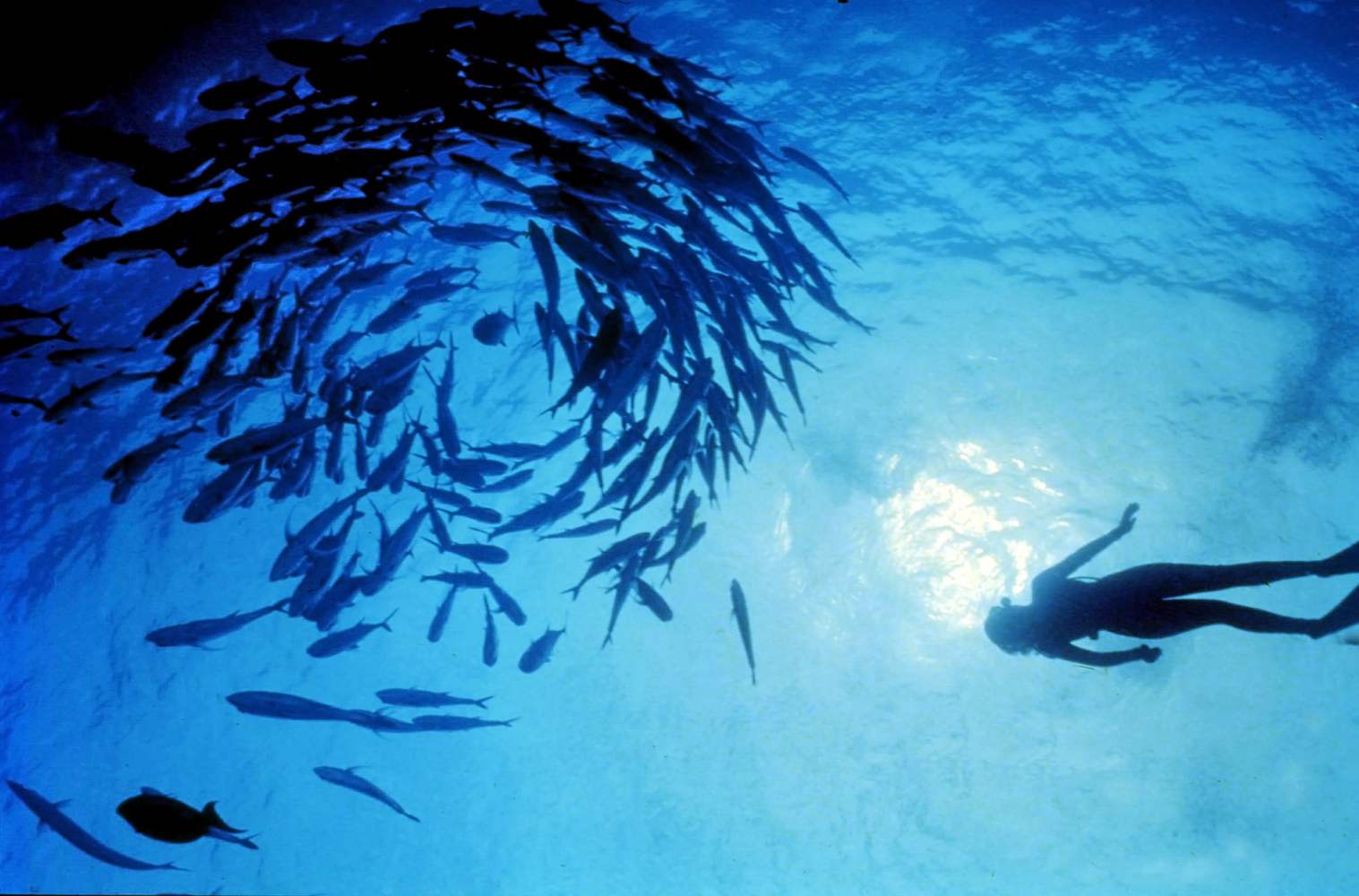
That variety creates very different reef experiences. You can snorkel above a shallow coral cay, dive a wall on the outer reef, sail between the Whitsunday Islands or take a glass bottom boat over a lagoon. The area is also home to the Great Eight, a group of iconic animals that includes whales, manta rays, sharks, turtles, giant clams, clownfish, Maori wrasse and potato cod.
The beauty of the Great Barrier Reef is its flexibility. Confident swimmers can spend hours in the water, while non swimmers can see the reef without getting wet. For many travellers, it belongs among the wonders of the world.
Best Time to Visit the Great Barrier Reef
For many travellers, May to October is the best time to visit. These cooler months generally bring lower humidity, less rain and comfortable boating conditions. Water temperatures remain suitable for swimming, although a wetsuit can make a longer snorkel or dive more comfortable.
November to May is wetter in tropical north Queensland, but it can still deliver excellent days on the water. It also overlaps with coral spawning and seasonal wildlife activity. Conditions change quickly along the reef, so an outing often depends more on wind and sea state than the month on your booking.
Marine stingers are more common in northern tropical waters during the warmer months, broadly from October to June. Follow local advice, swim inside stinger resistant enclosures where provided and wear the protective suit supplied by your operator.
The ideal time to visit the Great Barrier Reef also depends on wildlife. Dwarf minke whale encounters are associated with June and July in the northern reef region. Along the Capricorn Coast, turtle nesting and hatching experiences generally run from November to March. Manta rays occur around Lady Elliot Island throughout the year, with cooler months often producing strong encounters.
How to Get to the Great Barrier Reef
You can access the Great Barrier Reef through several coastal gateways. Cairns, Port Douglas, Townsville, Airlie Beach, Mackay, Gladstone and Yeppoon connect visitors with different parts of the reef.
Useful airports include Cairns, Townsville, Proserpine and regional airports serving southern Queensland. Reef access may then involve a catamaran, ferry, smaller vessel, scenic aircraft or helicopter.
Accessing the Great Barrier Reef is easier when you choose the experience first and the gateway second. Do not book a week in Cairns and later discover that the Great Barrier Reef island you wanted is several regions away. The map is enormous, and “near the reef” can still mean hours of travel.
Best Places to Visit Along the Queensland Coast
Cairns and Port Douglas for Choice and Easy Access
Cairns is one of the busiest launch points for Great Barrier Reef tours, with day boats, pontoons, liveaboards and introductory scuba diving for different budgets. It is practical for a first Great Barrier Reef trip because accommodation, transfers and tours are easy to compare.
Many Cairns operators travel to the outer reef, where offshore sites reveal the scale of the ecosystem. Others visit Green Island or Fitzroy Island, combining beach time with a snorkel, short walk or glass bottom boat trip.
Port Douglas sits north of Cairns and offers access to the Agincourt ribbon reefs. It has a smaller resort town feel and pairs naturally with the Daintree Rainforest. Choose Cairns for maximum tour variety and nightlife. Choose Port Douglas for a quieter base with reef and rainforest experiences close together.
The Whitsundays and Hamilton Island for Sailing and Scenery
The Whitsundays suit sailing, island stays and aerial views. Airlie Beach is the mainland gateway, while Hamilton Island provides direct flights, resorts and convenient access to reef tours and attractions.
A typical stay may combine a sail through the Whitsunday Islands, a visit to Whitehaven Beach and an excursion offshore. To see the reef without getting wet, book a helicopter or seaplane flight. One of the best known options is to fly over Heart Reef, where the distinctive formation is clearest from above.
This region suits travellers who want a broader tropical holiday rather than consecutive diving days. Sailing makes the journey between islands part of the adventure.
Townsville and Magnetic Island for Culture and Great Diving
Townsville offers a different mix. Magnetic Island has beaches, walking tracks and fringing areas, while offshore trips reach the Museum of Underwater Art and central sites.
Certified divers may be drawn to the SS Yongala, a historic wreck south east of Townsville. It is regarded as one of Australia’s best diving experiences, but depth, currents and site conditions mean it is not a casual beginner dive. Check certification requirements before booking.
This region suits travellers who want to explore the reef while learning about conservation, local history and the connection between sea Country and coastal communities.
Bundaberg and the Southern Great Barrier Reef
The southern Great Barrier Reef begins near Bundaberg and includes Lady Elliot Island, Lady Musgrave Island, Heron Island and the Capricorn Coast. It is often overlooked by people who assume the whole system starts at Cairns. That mistake can cost them some of the best snorkelling and diving experiences in the south.
Lady Elliot Island is a coral cay known for manta rays, sea turtles and snorkelling from shore. Scenic flights operate from several southern Queensland departure points. Lady Musgrave Island offers a large lagoon and mainland day trips, while Heron Island places guests on a reef island with beach access and diving nearby.
For seasonal wildlife experiences on the mainland, Mon Repos near Bundaberg is a major nesting and hatching site. Visits are controlled and seasonal, so book the official experience rather than arriving on the beach with a torch and enthusiasm. Wildlife deserves better than accidental paparazzi.
Lizard Island and Cape York for a Remote Reef Adventure
The Wild North appeals to travellers who want fewer crowds and can manage higher costs or more complicated transport. Lizard Island combines a national park setting, beaches and access to northern sites. It suits luxury stays, serious snorkelling and diving, or a longer tropical north itinerary.
Farther north, expedition cruises, liveaboards and small group operators become more practical. It can reward experienced travellers seeking remote individual reefs and a stronger sense of wilderness.
Best Ways to Experience the Reef
Snorkelling and Diving
For most reef visitors, snorkelling is the simplest way to experience the reef. Tuition, flotation devices and snorkel gear are commonly available. Be honest about your swimming ability and follow the crew’s instructions.
Scuba diving brings you closer to walls, bommies, wrecks and deeper formations. Certified divers can choose day trips or liveaboards, while beginners may complete an introductory dive under close supervision. The best diving option depends on certification, recent experience, comfort in currents and the operator’s site plan.
Do not choose between snorkelling and diving because one sounds more impressive. Choose the activity that lets you remain calm and notice what is around you. Panic is not a premium reef experience.
Island Stays, Sailing and Reef Pontoons
An island stay in the heart of the Great Barrier Reef gives you more than one chance to enter the water. Staying longer also creates space for guided walks, kayaking, birdlife and slower wildlife observation.
Sailing suits travellers who enjoy movement and scenery, while fixed outer reef pontoons work well for families and mixed ability groups. Pontoons may offer underwater observatories, semi submersible tours, platforms, showers and supervised swimming zones. They are often the easiest way to experience the reef when a group includes confident swimmers, nervous beginners and people who prefer to stay dry.
Scenic Flights and Glass Bottom Boats
A scenic flight reveals the patterns of the reef system in a way that is impossible from water level. Flights are especially popular around the islands, but aerial options operate in other regions.
A glass bottom boat or semi submersible gives guests a close view without requiring them to snorkel the reef. These options suit children, non swimmers and people with limited mobility. It is not a lesser experience, only a different one.
How to Choose the Right Reef Tour
Start with the departure point, travel time and number of water sessions. A cheaper reef tour may spend longer travelling, while a smaller vessel may feel less comfortable in rough conditions. Read the inclusions carefully.
Check whether the fare covers equipment, wetsuits or stinger suits, meals, prescription masks, guided snorkelling, introductory dives, environmental charges and hotel transfers. Ask how the operator supports beginners and what happens if weather changes the itinerary.
Look for an eco certified or recognised high standard tourism operator. These operators are independently certified through approved environmental schemes and recognised by the Reef Authority for their commitment to sustainable, high quality experiences.
Good crews do more than point at fish. They explain the ecosystem, manage safety, minimise contact with coral and help visitors understand why their behaviour matters.
The closest reef is not automatically the best choice, and the most expensive boat is not automatically the best way to experience it. Match the tour to your priorities: water time, wildlife, comfort, education, photography, diving or family facilities.
Planning Your First Great Barrier Reef Trip
Allow at least two reef capable days in your itinerary. Wind, rain or fatigue can affect a single day trip, and a second opportunity reduces the pressure to force the experience in poor conditions.
Pack a hat, sunglasses, reusable water bottle, rash vest, towel, secure swimwear and reef conscious sun protection. Take motion sickness medication before departure when advised by a pharmacist or doctor. Once the boat is bouncing, optimism is not a medical treatment.
Book diving in advance when you need a refresher, medical clearance or specific certification. Tell the operator about health conditions, limited mobility and swimming concerns before paying.
Leave space in the schedule. A reef visit is physically tiring, even when the photos look serene. Avoid landing late at night, joining a full day tour at dawn and planning a major drive immediately afterwards.
Protecting the Great Barrier Reef Marine Park
Choose operators that follow environmental standards and provide clear briefings. Never stand on coral, chase wildlife, touch marine life or take shells home. Keep fins away from shallow formations and secure loose equipment before entering the water.
Follow fishing and zoning rules, reduce single use waste and listen to Traditional Owner guidance. The Great Barrier Reef is not an aquatic theme park. It is a living place with deep cultural significance. Aboriginal and Torres Strait Islander Traditional Owners continue to manage and care for Sea Country across the region.
When you visit the reef, responsible travel will not solve every threat, but careless travel adds damage for no good reason. Your best contribution is simple: choose well, learn from qualified guides and leave each site as you found it.
Make Your Great Barrier Reef Experience Count
There is no single correct way to experience the Great Barrier Reef. The best way to see the Great Barrier Reef depends on your priorities. You can dive offshore from Cairns, snorkel from a southern coral cay, sail from Airlie Beach, stay on an island, visit a remote northern beach or fly over Heart Reef.
A visit to the Great Barrier Reef should begin with one honest question: what experience do you actually want? Once you know whether the priority is wildlife, diving, comfort, scenery, family access or remote adventure, the right region becomes much clearer.
Plan for the season, choose a responsible operator and give yourself enough time. This natural wonder does not need to be rushed. It needs to be seen with attention.