
Photography Tips for Beach Landscapes
Standing on soft silica sand with turquoise water in front of you is already a dream moment. With a little planning, you can also turn it into a standout image that keeps the feeling of the Whitsundays alive long after you arrive home. These photography tips for beach landscapes focus on Whitehaven Beach and nearby islands, helping you capture the kind of shots that look right at home alongside Red Cat Adventures’ own imagery.
Whether you travel with a pro-level camera, a compact, or just your phone, simple adjustments to timing, composition, and camera settings will lift your beach photography. Think warm Whitsunday light, sweeping main beach views, playful wave photography and small details in the sand, all framed in a relaxed, natural way.
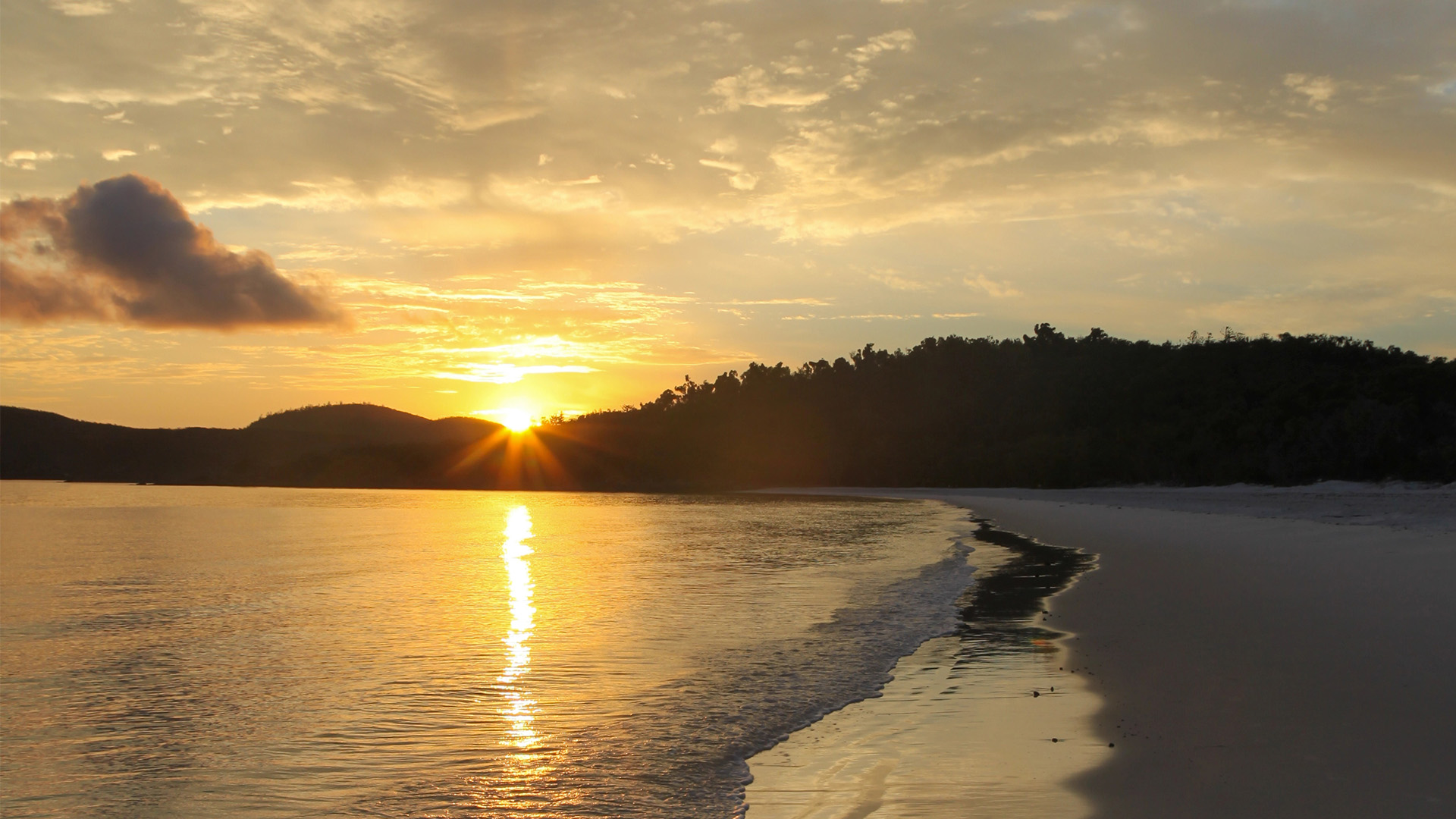
Capture the Spirit of Whitehaven Beach
Whitehaven Beach offers white sand, clear water and gentle curves in the shoreline, which all work beautifully for seascape photography and landscape photography. Before you think about technical settings, spend a moment looking at how these elements fit together.
-
Keep the horizon straight. A tilted horizon is one of the most common beach photo mistakes. Use gridlines on your camera or phone to keep the sea level, then adjust later in editing if you need to.
-
Use the rule of thirds. Place the horizon on the top or bottom third of the frame rather than in the centre. You can also position a Red Cat Adventures vessel, a group of travellers, or a clump of palm trees on a third line so the scene feels balanced.
-
Look for leading lines. The curve of the main beach, a trail of footprints, or gentle ripples in the sand can guide the viewer’s eye through the picture towards the Whitsunday islands in the distance.
When you visit Whitehaven Beach with Red Cat Adventures, notice how the sandbanks shift with each tide. Photograph the same view from a few different spots as the day goes on. You will often see fresh patterns appear in the sand and swirls of colour in the water that give variety to your beach photos.
Choose Simple, Reliable Gear
You do not need a studio’s worth of equipment to capture beach landscapes in the Whitsundays. In fact, keeping your kit light and easy to handle makes it far simpler to move around the sand, climb to lookouts and step on and off the boat.
Cameras, Lenses and Filters
-
Camera: A DSLR or mirrorless camera gives you strong control over settings, while modern phones can also handle bright, contrasty beach scenes very well.
-
Wide-angle lens: A wide lens helps you fit the whole curve of the main beach into one frame and exaggerates the sense of space.
-
Telephoto option: A small zoom lens lets you pick out details such as a yacht on the horizon or patterns in the water.
-
Polarising filter: This cuts glare on the surface of the sea, deepens blue tones and brings out cloud detail. It is particularly helpful in the middle of the day when the light is strong.
-
Neutral density (ND) filter: An ND filter lets you slow your shutter speed during bright conditions so you can soften waves or create smooth water without blowing out highlights.
Useful Accessories for the Whitsundays
-
Tripod: A compact travel tripod stabilises the camera for sunset shots and long exposures. Push the legs firmly into the sand or into shallow water for a solid base.
-
Waterproof cameras and housings: Action cameras and waterproof housings let you move between snorkelling and shoreline photos without worrying about splashes.
-
Drones: If you plan drone photography around Whitehaven Beach, check Australian Civil Aviation Safety Authority rules and follow crew advice. Stay well away from people and wildlife, and always respect no-fly zones.
-
Protection for your gear: A dry bag, spare batteries and a microfibre cloth for removing salt spray will keep your equipment safe on Red Cat Adventures vessels and on the beach.
Red Cat Adventures teams are used to guests carrying gear, so you can always ask for practical suggestions on where to store cameras on board and how wet a particular activity is likely to be.
Use Light, Shutter Speeds and Tides to Shape the Shot
Light around the Whitsundays changes fast, and working with it is one of the most rewarding photography tips for beach landscapes.
Work with the Golden Hour
The golden hour just after sunrise and just before sunset gives warm, soft light that flatters both people and scenery. On Whitehaven Beach, this light glows on the silica sand and picks out the shapes of ripples and footprints.
-
Shoot towards the sun for silhouettes of friends walking along the water’s edge.
-
Turn your back to the sun for gentle, even light on faces and foreground subjects.
-
Watch how long shadows from rocks, trees and the Red Cat Adventures boats add depth to your seascape photography.
If your tour schedule brings you to the islands a little later in the day, you can still create striking pictures. Bright midday light is perfect for capturing the famous turquoise water and white sand contrast. Use a polarising filter and slightly underexpose to hold onto detail in the highlights.
Master Shutter Speeds for Wave Photography
Shutter speeds control how movement appears in your beach landscapes.
-
Fast shutter speeds (for example 1/1000s): Freeze splashes, jumping kids and spray from waves hitting the shore. Pair fast shutter speeds with a wider aperture and higher ISO if the light drops.
-
Medium speeds (around 1/200s to 1/500s): Great for everyday action shots on the sand or on the deck of a vessel.
-
Slow shutter speeds (1/4s and longer): With a tripod and possibly an ND filter, slow shutter speeds turn waves into silky streaks and give the water surface a calm, misty look. Try this technique during softer light or on cloudy days.
Experiment with different settings during your trip. Take two or three shots of the same scene with different shutter speeds so you can decide later which mood you prefer. Over time, this habit trains your eye to predict how a particular tide and lighting combination will translate into a finished photograph.
Build Depth with Foreground, People and Angles
Many beach photos look flat because everything interesting sits far away along the horizon. Adding a foreground subject gives your beach photography a stronger sense of place and scale.
Foreground Ideas at Whitehaven Beach
-
Driftwood, shells or patterns in the sand.
-
A Red Cat Adventures vessel anchored in the bay.
-
A hat or beach bag resting on a towel.
-
Friends walking through shallow water, captured from behind so the focus stays on the setting.
Place your foreground subject near a corner of the frame or along the bottom third, then let the shoreline lead the viewer’s eye through to the distant islands. Wide-angle lenses work especially well here, exaggerating the distance between foreground and background.
Change Your Viewpoint
Small shifts in position often make a big difference to landscape photography.
-
Crouch or kneel so the camera is close to the sand. Footprints and ripples become bold lines that sweep into the scene.
-
Step back and zoom in slightly to compress the distance between waves, sand and hills, which can make the Whitsunday islands feel closer together.
-
Climb to a lookout, where available on your tour, to show the full curve of the main beach and the layers of colour in the water.
Do not forget to photograph your fellow travellers. Candids of people laughing on the deck, pointing out turtles, or walking through the shallows capture the relaxed Red Cat Adventures atmosphere and act as storytelling elements in your photo set.
Plan Your Red Cat Adventures Trip for Stronger Photos
Even the best photography tips for beach landscapes work best when your day runs smoothly. A little planning around your Red Cat Adventures tour will help you arrive prepared and ready to shoot.
-
Check tour details and timings. Some tours reach Whitehaven Beach earlier in the day, while others focus on snorkelling or multiple island stops. Pick an option that suits the type of images you want, whether that is quiet shoreline scenes, action-filled water shots or a mix.
-
Pack with photography in mind. Bring charged batteries, empty memory cards, a microfiber cloth and any filters or lenses you plan to use. Pack light enough that you can move comfortably on stairs, gangways and along the beach.
-
Consider weather and tides. Cloudy days can produce softer light and rich colours, while bright skies highlight the clarity of the water. If you know the tide times, you can anticipate broad sandbars or higher water around foreground rocks.
-
Respect the environment. Stay on marked paths, avoid stepping on fragile vegetation or coral, and keep a safe distance from wildlife. Strong images come from patience and observation rather than disturbing the scene.
When your dates are set, secure your spot with Red Cat Adventures from Airlie Beach and get ready for a camera-friendly cruise through the islands. With thoughtful gear choices, clever use of light and shutter speeds, and creative composition, your beach photography will tell the story of the Whitsundays in a vivid, personal way.
Check out the latest Red Cat Adventures tours, book the trip that suits your style, and start planning the shots you want to bring home from Whitehaven Beach and the wider Whitsundays.